
Would you like to switch to the accessible version of this site?

Go to accessible site Close modal window

Don't need the accessible version of this site?

Hide the accessibility button Close modal window
Accessibility View Close toolbar
Archibald Pet Hospital

9786 19th st

Alta Loma, CA 91737 US

909-941-7310

Open mobile navigation
  • Home
  • New Patient Center
    • What to Expect
    • Veterinary Resources
    • Payment Options
  • About Us
    • Services
    • Meet Our Team
  • Contact Us
  • Veterinary Topics
    • Pet Health
      • Chronic Conditions
      • Digestive and Oral Health
      • Diseases and Viruses
      • Pests and Parasites
      • Orthopedics
    • Today's Veterinarian
    • Choosing Your Pet
      • Finding Your Pet
      • Cats
      • Dogs
      • Exotics
        • Amphibians
        • Birds
        • Reptiles
          • Lizards
          • Turtles
      • Small Mammals
        • Ferrets
        • Rabbits
        • Domesticated Animals
          • Prairie Dogs
        • Pocket Pets
          • Chinchillas
          • Guinea Pigs
          • Hamsters
          • Hedgehogs
          • Rats
      • Livestock
        • Cows
        • Donkeys, Horses & Mules
        • Goats
        • Pigs
        • Poultry
        • Sheep
    • Living With Your Pet
      • Bringing Your Pet Home
      • Children and Pets
      • Providing Care
      • Travel
      • Saying Goodbye
    • Newsletter Library
      • Cats
      • Tips for Pet Owners
      • Behavior & Training
      • Fleas & Parasites
      • Keeping Pets Healthy
      • Recognizing Illness
      • Nutrition & Food
      • Pet Dangers
      • Seasonal Topics
      • Visiting the Vet
      • Equine
      • Newsletter Archive
        • Fun with Pets
        • Unbelievable Pets
    • Video Newsroom
      • Health Topics
      • Technology and Science
      • Other Interests
    • Newsletter Library
    • Client Survey
    • Pets4Kids
  • Home >
  • Articles >
  • Newsletter Library >
  • How to Pet-Proof Your Home

How to Pet-Proof Your Home

  • Created in Newsletter Library

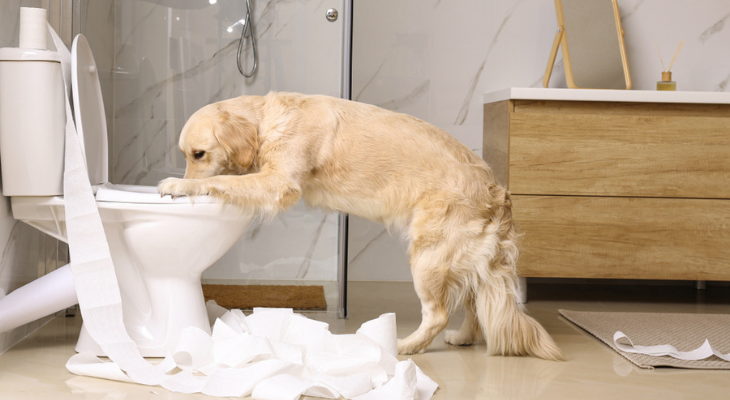
Dog drinking from toilet

Tips for Pet-Proofing Your Home

Could hazards in your home injure or sicken your pet? Unfortunately, the very things that make your house or apartment comfortable for you could pose dangers to your dog, cat, bird, or small animal. Although it may not be possible to prevent all accidents, following these pet-proofing tips will reduce your pet's risk of injury.

Cover Electrical Cords

A teething puppy or a curious rabbit, cat, or small animal could end up with a life-threatening shock after gnawing on a plugged-in electrical cord. For safety's sake, place cords in chew-proof covers or protectors. Homemade cord protectors can be made by splitting a length of hose or PVC pipe and placing cords inside. Pet supply companies also sell ready-made cord protectors in a variety of sizes and colors.

Put Breakable or Easily Damaged Items Out of Reach

Your favorite vase or souvenir may not survive if your pet knocks it over, bats it around, or chews on it. Finding secure places for your cherished possessions not only prevents mishaps but also protects your pet. Sharp glass fragments could cut your dog or cat's paws, while spilled perfume or other liquids might contain harmful substances that could sicken pets.

Eliminate Temptation

Your pet will be less likely to get hurt or make a mess if you:

  • Install safety latches on bathroom and kitchen cabinets
  • Use baby gates to keep your pet out of certain areas of your home
  • Make sure the lids on your kitchen and bathroom trash can close securely
  • Keep toilet lids closed
  • Don't use dissolvable cleaning tablets in toilets (pets can be poisoned by drinking water that contains cleaning products)
  • Put cleaning products, laundry detergent, cosmetics, and medication on shelves or cabinets that your pet can't reach
  • Close washer and dryer lids immediately after emptying the machines
  • Urge your children to put their toys away after they use them - a very important tip if your pet is a chewer
  • Keep kitchen counters clean (your pet could choke on ties, string, and other food packaging materials left on your counter)

You'll be amazed at how many hazards you'll find when you view the rooms in your home from your pet's perspective. In fact, it's much easier to spot potential hazards when you're sitting on the floor.

Buy Safe Plants

Your lily plant or the tulip bulbs you've been meaning to plant may not seem appetizing to you, but your dog or cat may think they look tasty. Depending on the type of plant consumed, your pet may experience symptoms ranging from diarrhea or an upset stomach to death. If you're not sure which plants are safe for your pet, check out the ASPCA Animal Poison Control website. You can also call the helpline at (888) 426-4435 if you're worried that a plant, food, or medication that your pet ate may be poisonous.

Keep These Foods Out of Reach of Your Pets

In 2019, stomach ailments were the top reason that dogs insured by Healthy Paws Pet Insurance visited the veterinarian. Although some visits were due to illnesses, eating something dangerous or toxic was a common reason that pets were rushed to veterinary offices. According to The Humane Society of the United States, foods that could sicken or kill pets include:

  • Chocolate
  • Onions (in addition to onion powder and onion flakes)
  • Garlic
  • Raisins
  • Grapes
  • Potato and tomato stems and leaves
  • Coffee grounds and beans
  • Alcohol
  • Yeast dough
  • Foods, beverages, candy, and gum sweetened with xylitol
  • Macadamia nuts
  • Walnuts
  • Apple seeds
  • Apricot, cherry, and peach pits
  • Avocado

Make Your Home Safe for Your Bird

Birds are particularly susceptible to toxic fumes and injuries. If you have a bird:

  • Avoid cooking with Teflon-coated pans or cleaning your oven when your bird is in the house
  • Repair holes in screens promptly
  • Don't operate ceiling fans or other equipment with moving parts when your bird is out of its cage
  • Don't light candles (they may contain toxic ingredients)
  • Remove your bird before using products that can produce fumes, like paint and strong cleaners

Unfortunately, accidents can still happen no matter how diligently you pet-proof your home. Give us a call immediately if your pet is injured or has eaten a potentially toxic food or substance.

Sources:

ASPCA: Animal Poison Control

Healthy Paws Pet Insurance and Foundation: Top 10 Conditions in Dogs

The Humane Society of the United States: Foods That Can Be Poisonous to Pets

Best Friends: Bird Proofing Your Home

  • Pet Health
    • Chronic Conditions
    • Digestive and Oral Health
    • Diseases and Viruses
    • Pests and Parasites
    • Orthopedics
  • Today's Veterinarian
  • Choosing Your Pet
    • Finding Your Pet
    • Cats
    • Dogs
    • Exotics
      • Amphibians
      • Birds
      • Reptiles
        • Lizards
        • Turtles
    • Small Mammals
      • Ferrets
      • Rabbits
      • Domesticated Animals
        • Prairie Dogs
      • Pocket Pets
        • Chinchillas
        • Guinea Pigs
        • Hamsters
        • Hedgehogs
        • Rats
    • Livestock
      • Cows
      • Donkeys, Horses & Mules
      • Goats
      • Pigs
      • Poultry
      • Sheep
  • Living With Your Pet
    • Bringing Your Pet Home
    • Children and Pets
    • Providing Care
    • Travel
    • Saying Goodbye
  • Newsletter Library
    • Cats
    • Tips for Pet Owners
    • Behavior & Training
    • Fleas & Parasites
    • Keeping Pets Healthy
    • Recognizing Illness
    • Nutrition & Food
    • Pet Dangers
    • Seasonal Topics
    • Visiting the Vet
    • Equine
    • Newsletter Archive
      • Fun with Pets
      • Unbelievable Pets
  • Video Newsroom
    • Health Topics
    • Technology and Science
    • Other Interests
  • Newsletter Library
  • Client Survey
  • Pets4Kids

Sign up using the form or call us at 909-941-7310 to make an appointment.

  • Services

    We strive to provide complete care for our patients. Learn more about all the services we provide.
  • Make an Appointment

    We will do our best to accommodate your busy schedule. Schedule an appointment today!
  • Online Forms

    Our patient forms are available online so they can be completed in the convenience of your own home or office.

Office Hours

Monday:

8:00 am-6:00 pm

Tuesday:

8:00 am-6:00 pm

Wednesday:

8:00 am-6:00 pm

Thursday:

8:00 am-6:00 pm

Friday:

8:00 am-6:00 pm

Saturday:

9:00 am-1:00 pm

Sunday:

Closed

Location

Find us on the map

Testimonial

  • "Dr. Kim is compassionate, thorough, knowledgeable and fair. My family's pets and all my pets are patients here. His staff are friendly and helpful and personable!!! We love Dr. Kim, Brittney, Dawn, Amanda and Kat!!! We refer everyone we know and highly recommend Archibald Pet Hospital!!!!"
    Jenna B. / Alta Loma, CA

Featured Articles

Read about interesting topics

  • March Newsletter: How to Keep Your Cat Safe When Outdoors

    Wondering how your cat can safely spend time outdoors? ...

    Read More
  • March Newsletter: How to Choose Safe Blankets for Pets

    Do you know how to pick a safe blanket for your pet? ...

    Read More
  • February Newsletter: How to Reduce Dental Anxiety in Pets

    Does your pet hate toothbrushing? These tips could reduce dental anxiety. ...

    Read More
  • February Newsletter: How to Safely Change Your Cat’s Food

    Buying a new food for your cat? Find out how to switch foods safely. ...

    Read More
  • January Newsletter: Signs Your Pet Needs a Wellness Exam

    Does your pet need a wellness exam? ...

    Read More
  • January Newsletter: How Your Veterinarian Can Help If Your Pet Ingests Something Toxic

    Has your pet eaten something it shouldn't have? Find out how your vet can help. ...

    Read More
  • December Newsletter: Signs Your Pet Needs a Professional Cleaning

    Do you know when your pet needs a professional cleaning? ...

    Read More
  • December Newsletter: Simple Ways to Keep Your Home Flea-Free for Your Pet’s Well-being

    Never want to see another flea again? Try these tips for a flea-free home. ...

    Read More
  • November Newsletter: The Importance of Bloodwork for Your Pet’s Health

    Wondering if your pet really needs bloodwork? Find out the benefits of blood tests for your furry friend. ...

    Read More
  • November Newsletter: Turkey Day Tips for Pet Owners

    Don't forget about your pet when making Turkey Day preparations. ...

    Read More

Newsletter Signup

Sign up for more articles

Connect With Us

  • Copyright © 2026 MH Sub I, LLC dba iMatrix.
  • Admin Log In
  • Site Map