
Would you like to switch to the accessible version of this site?

Go to accessible site Close modal window

Don't need the accessible version of this site?

Hide the accessibility button Close modal window
Accessibility View Close toolbar
Archibald Pet Hospital

9786 19th st

Alta Loma, CA 91737 US

909-941-7310

Open mobile navigation
  • Home
  • New Patient Center
    • What to Expect
    • Veterinary Resources
    • Payment Options
  • About Us
    • Services
    • Meet Our Team
  • Contact Us
  • Veterinary Topics
    • Pet Health
      • Chronic Conditions
      • Digestive and Oral Health
      • Diseases and Viruses
      • Pests and Parasites
      • Orthopedics
    • Today's Veterinarian
    • Choosing Your Pet
      • Finding Your Pet
      • Cats
      • Dogs
      • Exotics
        • Amphibians
        • Birds
        • Reptiles
          • Lizards
          • Turtles
      • Small Mammals
        • Ferrets
        • Rabbits
        • Domesticated Animals
          • Prairie Dogs
        • Pocket Pets
          • Chinchillas
          • Guinea Pigs
          • Hamsters
          • Hedgehogs
          • Rats
      • Livestock
        • Cows
        • Donkeys, Horses & Mules
        • Goats
        • Pigs
        • Poultry
        • Sheep
    • Living With Your Pet
      • Bringing Your Pet Home
      • Children and Pets
      • Providing Care
      • Travel
      • Saying Goodbye
    • Newsletter Library
      • Cats
      • Tips for Pet Owners
      • Behavior & Training
      • Fleas & Parasites
      • Keeping Pets Healthy
      • Recognizing Illness
      • Nutrition & Food
      • Pet Dangers
      • Seasonal Topics
      • Visiting the Vet
      • Equine
      • Newsletter Archive
        • Fun with Pets
        • Unbelievable Pets
    • Video Newsroom
      • Health Topics
      • Technology and Science
      • Other Interests
    • Newsletter Library
    • Client Survey
    • Pets4Kids
  • Home >
  • Articles >
  • Newsletter Library >
  • World Rabies Day

World Rabies Day

  • Created in Newsletter Library
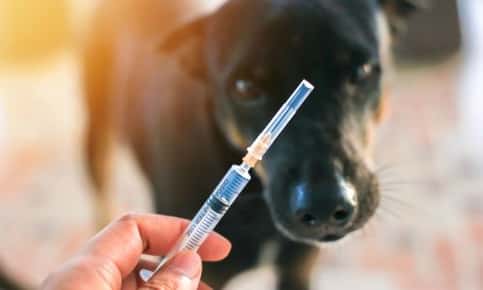
Dog about to receive rabies vaccine.

World Rabies Day Is the Perfect Time to Vaccinate Your Pet

Is your pet's rabies vaccination current? The vaccine offers a simple, effective way to protect your pet from the deadly disease. Although the number of rabies cases in the U.S. has declined, thanks to the introduction of the vaccine, the disease hasn't been completely eradicated and still remains a threat to people and animals.

World Rabies Day, held on September 28 this year, was created to increase awareness of the deadly disease and make low-cost or free rabies vaccines available throughout the world.

Which Pets Are at Risk of Developing Rabies?

Rabies can occur in any mammal, including dogs, cats, ferrets, skunks, raccoons, pigs, horses, cows, bats, coyotes, goats, foxes and sheep. Small mammals, like squirrels, rabbits, hamsters, and gerbils, can technically be infected with the rabies virus. But, these animals rarely develop the disease.

According to the American Veterinary Medical Association, rabies rates are higher in cats than other domestic pets, although dogs are at risk too. The Association notes that the difference could be due to a lower vaccination rate among cats.

How Do Pets Get Rabies?

The rabies virus is transmitted in an infected animal's saliva. Pets are usually infected when they're bitten or scratched by infected bats, raccoons or other wildlife. Once your pet becomes ill, it can infect you too. You don't have to be bitten by a rabid animal to develop rabies. The rabies virus can enter your body if your pet licks your hand, and you have a small scratch or a patch of dry skin on your hand.

What Are the Symptoms of Rabies in Pets?

If your pet has rabies, you may notice:

  • A Change in Behavior: Normally calm pets may become aggressive or irritable, or your dog or cat may seem much more affectionate than usual. It's not unusual for infected animals to feel threatened and display signs of fear, including flattened ears, raised hair, hiding and cowering.
  • Drooling and Swallowing Issues: Pets that have rabies may drool continuously and have trouble swallowing food and water.
  • Difficulty Walking: Pets can become uncoordinated and might even develop paralysis as a result of the infection.
  • Disinterest in Food and Water: Dogs and cats with rabies lose interest in drinking or eating.
  • Seizures: Seizures can occur as the virus worsens. Eventually, death may occur.

Rabies symptoms don't appear immediately after your pet comes in contact with a rabid animal. In fact, he or she may appear perfectly healthy for two weeks to two months after being exposed to the virus.

How Can I Protect My Pet From Rabies?

The rabies vaccine offers effective protection for your pet. Puppies and kittens usually receive the vaccine when they're a few months old and may need a booster vaccine a year later. In many states, adult dogs and cats only need to be vaccinated every three years.

Vaccination not only protects your pet's health but prevents him or her from passing the virus on to other animals or to people. During World Rabies Day, many veterinary offices and animal welfare organizations offer low-cost rabies clinics to protect the pets in their communities.

In addition to vaccinating your pets and livestock, you can also reduce the rabies risk by:

  • Limiting Wandering: Wandering pets can encounter all sorts of dangers, whether you live in the city, suburbs or country. Injuries from cars, poisoning from spilled antifreeze and bites from wild animals can put your pet's health at risk. Protect your pets by keeping dogs on a leash when you explore nearby forests and fields. Don't let cats and ferrets wander. Screened backyard enclosures provide access to the outdoors without any of the dangers.
  • Making Your Property Unattractive to Wild Animals: Keep your grass short, clear brush and debris from your yard, and don't leave pet food outside. Fill small holes around the eaves of your house and around the roof to keep bats out. Install exclusion devices in your chimney to prevent bats from entering your home.
  • Staying Away from Wild Animals: Bring your pets and your kids indoors if you see a wild animal in the yard. Rabies can make wildlife lose its fear of humans and can be a factor if you see a normally nocturnal animal during the day.

Does your pet need a rabies vaccine? Contact us to schedule a convenient appointment.

Sources:

American Veterinary Medical Association: Rabies and Your Pet

https://www.avma.org/public/Health/Pages/rabies.aspx

Global Alliance for Rabies Control: Get Ready for World Rabies Day 2019

https://rabiesalliance.org/world-rabies-day

  • Pet Health
    • Chronic Conditions
    • Digestive and Oral Health
    • Diseases and Viruses
    • Pests and Parasites
    • Orthopedics
  • Today's Veterinarian
  • Choosing Your Pet
    • Finding Your Pet
    • Cats
    • Dogs
    • Exotics
      • Amphibians
      • Birds
      • Reptiles
        • Lizards
        • Turtles
    • Small Mammals
      • Ferrets
      • Rabbits
      • Domesticated Animals
        • Prairie Dogs
      • Pocket Pets
        • Chinchillas
        • Guinea Pigs
        • Hamsters
        • Hedgehogs
        • Rats
    • Livestock
      • Cows
      • Donkeys, Horses & Mules
      • Goats
      • Pigs
      • Poultry
      • Sheep
  • Living With Your Pet
    • Bringing Your Pet Home
    • Children and Pets
    • Providing Care
    • Travel
    • Saying Goodbye
  • Newsletter Library
    • Cats
    • Tips for Pet Owners
    • Behavior & Training
    • Fleas & Parasites
    • Keeping Pets Healthy
    • Recognizing Illness
    • Nutrition & Food
    • Pet Dangers
    • Seasonal Topics
    • Visiting the Vet
    • Equine
    • Newsletter Archive
      • Fun with Pets
      • Unbelievable Pets
  • Video Newsroom
    • Health Topics
    • Technology and Science
    • Other Interests
  • Newsletter Library
  • Client Survey
  • Pets4Kids

Sign up using the form or call us at 909-941-7310 to make an appointment.

  • Services

    We strive to provide complete care for our patients. Learn more about all the services we provide.
  • Make an Appointment

    We will do our best to accommodate your busy schedule. Schedule an appointment today!
  • Online Forms

    Our patient forms are available online so they can be completed in the convenience of your own home or office.

Office Hours

Monday:

8:00 am-6:00 pm

Tuesday:

8:00 am-6:00 pm

Wednesday:

8:00 am-6:00 pm

Thursday:

8:00 am-6:00 pm

Friday:

8:00 am-6:00 pm

Saturday:

9:00 am-1:00 pm

Sunday:

Closed

Location

Find us on the map

Testimonial

  • "Dr. Kim is compassionate, thorough, knowledgeable and fair. My family's pets and all my pets are patients here. His staff are friendly and helpful and personable!!! We love Dr. Kim, Brittney, Dawn, Amanda and Kat!!! We refer everyone we know and highly recommend Archibald Pet Hospital!!!!"
    Jenna B. / Alta Loma, CA

Featured Articles

Read about interesting topics

  • March Newsletter: How to Keep Your Cat Safe When Outdoors

    Wondering how your cat can safely spend time outdoors? ...

    Read More
  • March Newsletter: How to Choose Safe Blankets for Pets

    Do you know how to pick a safe blanket for your pet? ...

    Read More
  • February Newsletter: How to Reduce Dental Anxiety in Pets

    Does your pet hate toothbrushing? These tips could reduce dental anxiety. ...

    Read More
  • February Newsletter: How to Safely Change Your Cat’s Food

    Buying a new food for your cat? Find out how to switch foods safely. ...

    Read More
  • January Newsletter: Signs Your Pet Needs a Wellness Exam

    Does your pet need a wellness exam? ...

    Read More
  • January Newsletter: How Your Veterinarian Can Help If Your Pet Ingests Something Toxic

    Has your pet eaten something it shouldn't have? Find out how your vet can help. ...

    Read More
  • December Newsletter: Signs Your Pet Needs a Professional Cleaning

    Do you know when your pet needs a professional cleaning? ...

    Read More
  • December Newsletter: Simple Ways to Keep Your Home Flea-Free for Your Pet’s Well-being

    Never want to see another flea again? Try these tips for a flea-free home. ...

    Read More
  • November Newsletter: The Importance of Bloodwork for Your Pet’s Health

    Wondering if your pet really needs bloodwork? Find out the benefits of blood tests for your furry friend. ...

    Read More
  • November Newsletter: Turkey Day Tips for Pet Owners

    Don't forget about your pet when making Turkey Day preparations. ...

    Read More

Newsletter Signup

Sign up for more articles

Connect With Us

  • Copyright © 2026 MH Sub I, LLC dba iMatrix.
  • Admin Log In
  • Site Map